Threads of Idrija: Travel, Craft, and Living Heritage
Step into a journey where artistry and exploration intertwine. Today we delve into Idrija Lace Traditions: Museum Visits and Bobbin Lace Workshops for Travelers, inviting you to meet makers, hear stories, and try your own hand at bobbin lace, while discovering museums, quiet studios, and the rhythmic charm that has defined this Slovenian town for generations.

A Glimpse into Centuries of Craft

In Idrija, lace grew beside the mercury mine, carried by patient hands across kitchens, courtyards, and market days. What began as delicate work for family income matured into a widely respected art, now celebrated through exhibitions, living workshops, and intergenerational knowledge that keeps this intricate tradition resilient, relevant, and warmly shared with curious travelers wandering through steep streets and sunlit windows.

Plan Your Museum Journey

Museums in Idrija offer a layered encounter: historical displays, contemporary interpretations, and hands-on demonstrations that reveal both technique and heart. Start with curated galleries to understand context, then follow with studio visits or workshops. Thoughtful timing allows you to catch live demonstrations, ask informed questions, and notice details easily missed without a foundation of stories and historical perspective.

What to See at the Lace School Gallery

Expect carefully arranged exhibits showing student work beside master pieces, revealing progression from first stitches to sophisticated compositions. Read labels, study tension, and notice how light makes threads glow. Often, instructors share anecdotes that unlock tiny secrets, building confidence before you try bobbins yourself in a beginner-friendly session designed to welcome travelers of all backgrounds.

Pairing the Mine and the Lace

Combine a visit to the UNESCO-listed mercury heritage sites with lace galleries to understand Idrija’s twin narratives: industry and artistry. The contrast is illuminating. After walking underground tunnels, lace appears lighter yet stronger, expressing human resourcefulness. Take notes, compare timelines, and appreciate how community creativity answered practical needs while shaping identity still visible in streets and windows today.

Timing Your Visit

Check opening hours carefully, especially off-season. If you’re visiting during the lace festival, book early for demonstrations and short workshops. Weekdays often offer quieter viewing, ideal for sketching motifs or studying technique. Consider joining a guided tour; knowledgeable docents connect historical context with practical insight, ensuring your workshop experience later feels purposeful, prepared, and delightfully immersive.

Hands-On Workshops for Travelers

First Stitches on the Pillow

Your instructor shows how to cradle bobbins, align pins, and follow a simple tape path. The rhythm comes slowly, like breathing. Mistakes become conversations, not failures. With each careful movement, patterns emerge, confidence grows, and you understand why artisans describe this work as both music and map, guiding curiosity toward beautifully tangible, proudly handmade results.

Learning with Locals

Workshops are more than technique; they’re shared time. Older makers recall festivals, competitions, and first commissions, while younger instructors discuss innovations and design collaborations. Stories flow over tea, and suddenly lace becomes a living friend. Ask about practice routines, tool care, and favorite motifs; you’ll carry these voices home beside your sample, stitched into memory.

What to Bring and Expect

Bring patience, reading glasses if needed, and curiosity. Phones on silent help everyone concentrate. Short workshops favor simple patterns, yet you’ll still feel the magic of structure emerging under your fingertips. Leave room in your luggage for a kit, threads, or a small pillow if inspiration strikes, and consider tipping or purchasing class samples to support instructors.

Patterns, Materials, and Ethical Shopping
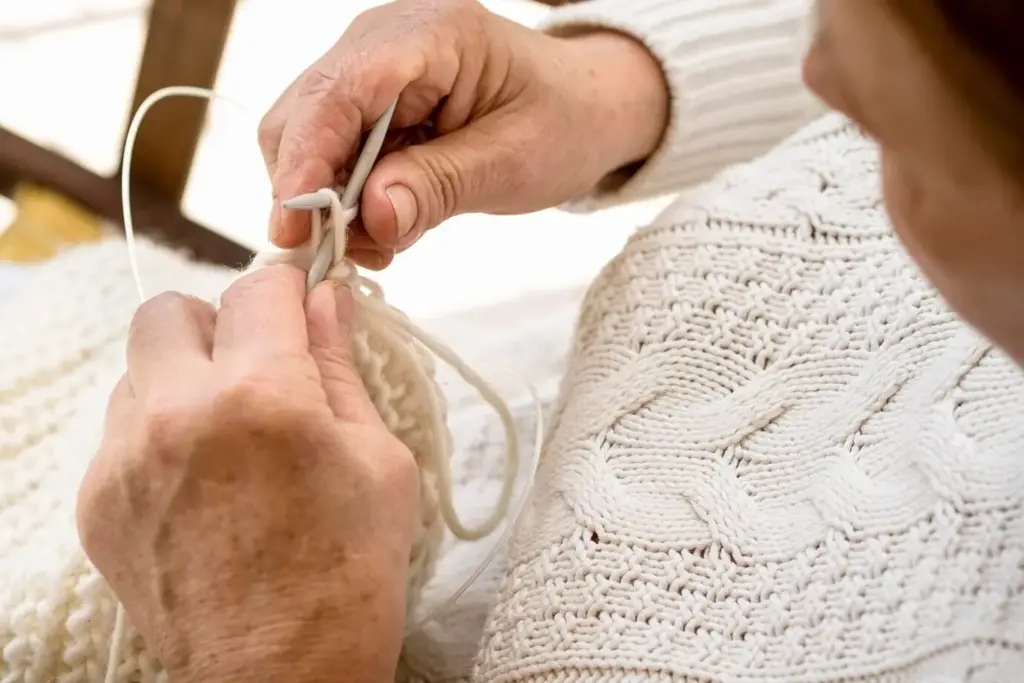
Understanding tools and patterns enriches every museum visit and workshop. Learn the difference between pricking cards and finished lace, bobbin shapes, pillow firmness, and thread choices. When shopping, favor authenticated handwork, fair pricing, and maker transparency. Your purchase can sustain craft livelihoods, encouraging apprenticeships and collaborative projects that ensure future visitors also meet knowledgeable, confident lacemakers.

Thread, Bobbins, and Pillows Explained
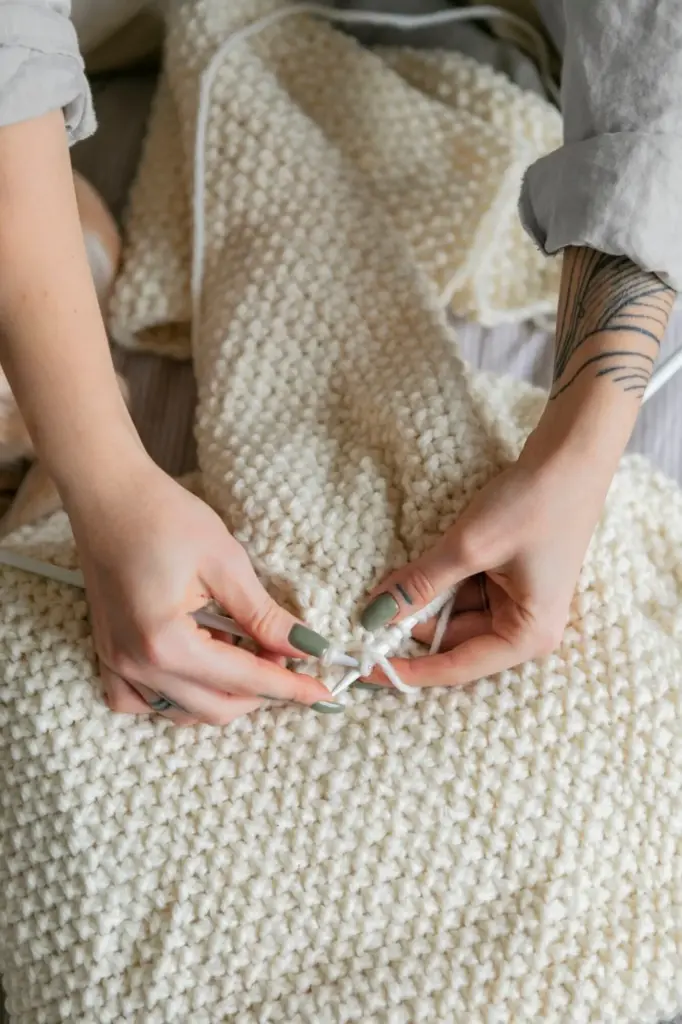
Mercerized cotton or linen threads are common for beginners because they hold shape and reveal tension clearly. Local bobbins feel balanced and tactile, often decorated with tiny beads. Pillows should be firm yet forgiving to pins. Ask to test tools; a well-matched set supports smoother learning, cleaner edges, and joyful practice that turns repetition into discovery.

Reading a Pricking with Confidence

A pricking is your roadmap: dots for pins, lines for paths, notation for crossings and twists. Start by tracing the route with a fingertip, then align bobbins patiently. Watch how tape turns around curves without puckering. With practice, symbols transform from puzzles into promises, guiding you through intricate forms and preserving clarity, speed, and consistent structure.

Buying with Purpose and Care

Ask who made the piece, how long it took, and which techniques were used. Handwork carries irregularities that feel alive; machine lace looks uniform, flattened, and less nuanced. Seek certificates, fair pay, and community shops that reinvest earnings into education. Your considered purchase champions makers, strengthens local culture, and keeps workshops open for future travelers.

Walkable Idrija: Coffee, Corners, and Quiet
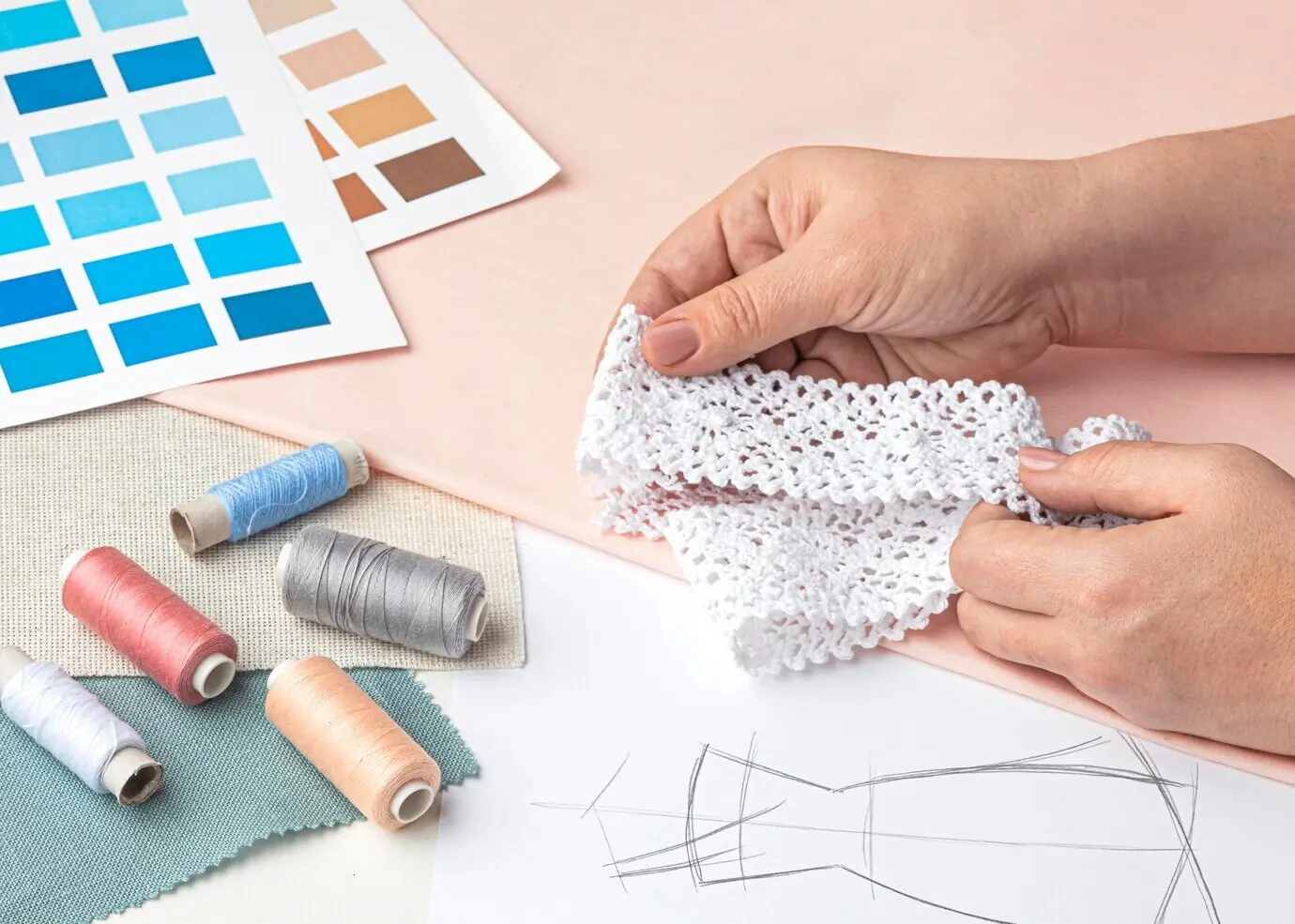
Idrija rewards slow steps. Between galleries, slip into a café where lace might hang near the counter, or pause beside stone stairways to sketch motifs glimpsed in windows. Plan a route linking the mine, museum, and studios, leaving space for serendipity. Unhurried wandering invites conversations that maps miss, turning simple directions into memorable, generous detours.

Cafés Where Lace Lives

Some cafés display student pieces beside family photographs, offering a cozy glimpse of local pride. Order a pastry, listen for bobbins clacking from a nearby window, and start a friendly chat. A barista might recommend a studio or guide. These small, warm encounters expand your itinerary naturally, adding human connections to the day’s cultural discoveries.

Photo Stops Without Disturbing Makers

When you see someone working near a window, ask permission before photographing. Makers appreciate curiosity, not interruption. If invited closer, move slowly and watch for pin trays or threads. Share your images later if requested, or tag the studio respectfully. Thoughtful etiquette ensures that quick snapshots become bridges, not barriers, to genuine appreciation and trust.

A One-Day Itinerary that Flows

Begin at the mine for historical grounding, then visit the lace gallery while context is fresh. Break for coffee and notes. Join an afternoon workshop to transform insight into experience. Close with a quiet walk through town, choosing a small piece to take home. This gentle arc balances learning, doing, resting, and celebrating with kindness and curiosity.

Stories That Stay with You

Travel memories deepen when skill meets kindness. Picture an elder lacemaker repositioning your fingers, smiling as the tape finally curves. The town’s air carries clacks, footsteps, and laughter, layering place with rhythm. Share your impressions with fellow readers, ask questions, and subscribe for upcoming guides, patterns, and interviews that keep conversation lively long after your return.
Liretorilomotatu
Privacy Overview

This website uses cookies so that we can provide you with the best user experience possible. Cookie information is stored in your browser and performs functions such as recognising you when you return to our website and helping our team to understand which sections of the website you find most interesting and useful.